
Blue Pea Tea: Benefits, Brewing Guide and Recipes
Discover the beauty of blue pea tea, a naturally vibrant herbal infusion known for its striking blue colour, delicate earthy flavour, and versatility. Made from the flowers of the butterfly pea plant, blue pea tea is becoming a popular choice for people looking to explore unique herbal beverages.
Whether you prefer a warm cup in the morning or a refreshing iced drink during the day, blue pea flower tea offers a beautiful way to elevate your daily tea ritual. In this guide, discover the potential benefits of blue pea tea, how to prepare it, and delicious ways to enjoy it.
What Is Blue Pea Tea?
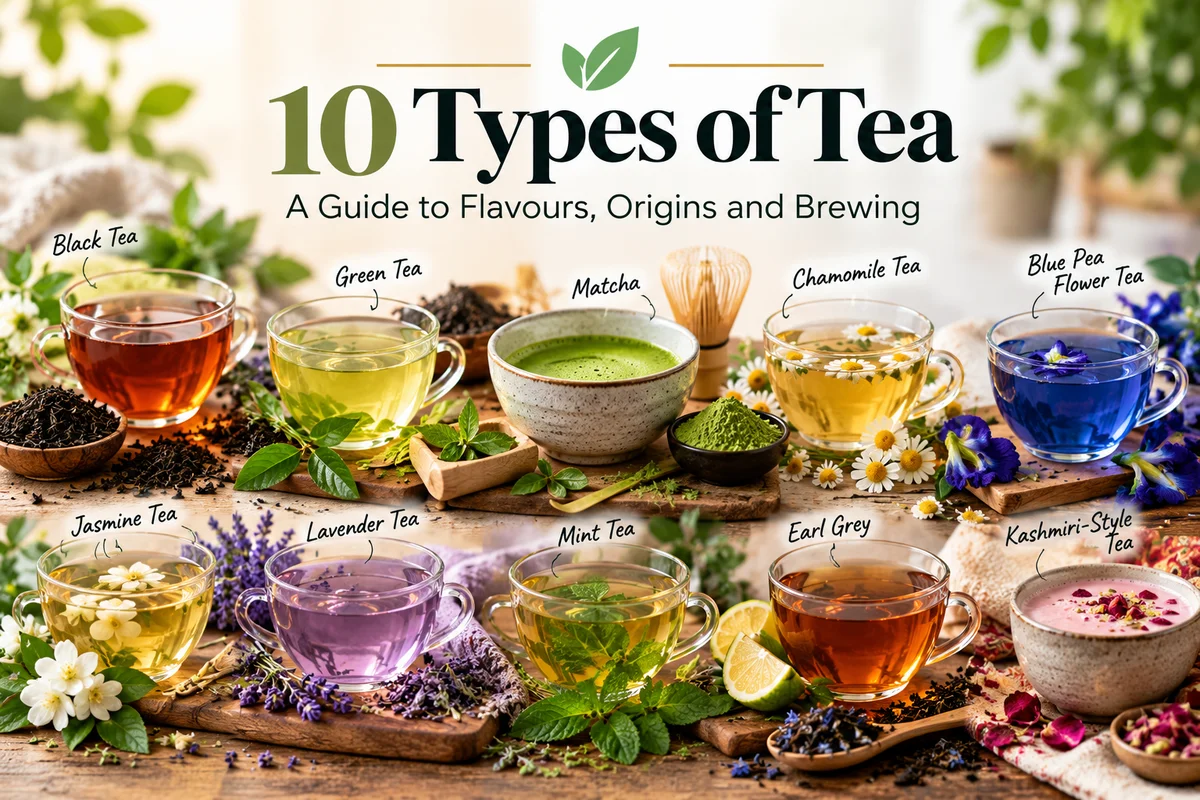
Blue pea tea, also known as butterfly pea flower tea or blue tea, is an herbal infusion made from the dried flowers of the Clitoria ternatea plant. These flowers contain natural pigments called anthocyanins, particularly ternatins, which give the tea its distinctive blue colour.
Unlike traditional green or black tea, pure blue pea flower tea is naturally caffeine-free. It has a mild, earthy, subtly floral flavour that can be enjoyed on its own or combined with ingredients such as lemon, mint, and honey.
One of its most fascinating features is its colour-changing ability. Adding lemon juice can transform the infusion from blue to purple because the natural pigments respond to changes in acidity.
5 Potential Benefits of Blue Pea Tea
Blue pea tea is valued for its natural plant compounds, caffeine-free properties, and refreshing flavour. Although research is ongoing, here are five reasons to explore this unique herbal infusion.
1. Contains Natural Antioxidants
Butterfly pea flowers contain anthocyanins and other plant compounds with antioxidant activity. Antioxidants help protect cells against oxidative damage caused by unstable molecules known as free radicals.
Enjoying a variety of plant-based foods and beverages can contribute to a balanced diet. However, blue pea tea should not be considered a treatment for any medical condition.
2. Naturally Caffeine-Free
Pure blue pea flower tea contains no caffeine, making it an alternative to coffee and traditional caffeinated teas. You can enjoy it whenever you prefer a caffeine-free beverage, including during the evening.
If you choose a blended tea, check the ingredients because additions such as green or black tea may contain caffeine.
3. An Alternative to Sugary Drinks
Blue pea tea has a gentle flavour and can be enjoyed without added sugar. Serve it chilled with lemon or mint for a refreshing beverage.
Choosing unsweetened herbal infusions instead of sugar-sweetened drinks can help reduce your overall added-sugar intake.
4. Encourages a Relaxing Tea Ritual
Preparing a warm cup of herbal tea can provide a welcome pause during a busy day. Its beautiful colour, gentle aroma, and simple preparation make blue pea tea an appealing addition to a mindful daily routine.
Although it is traditionally associated with relaxation, strong clinical evidence that blue pea tea directly reduces stress or improves sleep remains limited.
5. Adds Natural Colour to Your Drinks
The vivid blue colour makes butterfly pea tea particularly attractive for creative beverages. Use it to prepare iced tea, colourful mocktails, floral infusions, and refreshing summer drinks without relying on artificial food colouring.
How to Make Blue Pea Tea at Home
Preparing blue pea flower tea is simple and requires only a few ingredients.
Ingredients:
1 teaspoon of dried blue pea flowers, or the quantity recommended on your tea packaging
200–250 ml of hot water
A few drops of lemon juice (optional)
Honey or another sweetener (optional)
Method:
Heat fresh water and allow it to cool briefly after boiling.
Add the dried blue pea flowers to a teapot or heat-resistant cup.
Pour the hot water over the flowers and steep for approximately five minutes.
Strain the infusion and serve warm.
Add lemon juice if desired and watch the colour change from blue to purple.
Adjust the steeping time to suit your preferred colour and flavour, and follow the instructions provided with your particular tea blend.
3 Delicious Ways to Enjoy Blue Pea Tea
Classic Blue Pea Flower Tea
Enjoy it warm and unsweetened to appreciate its delicate, earthy flavour and natural blue colour.
Refreshing Iced Blue Pea Tea
Prepare the infusion, allow it to cool, and pour it over ice. Add fresh mint and lemon for a refreshing drink on a warm afternoon.
Lemon Blue Pea Tea
Add a little freshly squeezed lemon juice to your brewed tea. The acidity changes the appearance of the natural pigments, creating an attractive purple infusion.
Blue Pea Tea vs Green Tea
Blue pea tea and green tea differ in their plant sources, flavours, and caffeine content.
Plant source: Blue pea tea comes from butterfly pea flowers, while green tea comes from the leaves of Camellia sinensis.
Colour: Blue pea tea is naturally blue and can turn purple with lemon. Green tea generally produces a greenish-yellow infusion.
Flavour: Blue pea tea is mild and earthy, while green tea often has grassy or vegetal notes.
Caffeine: Pure blue pea tea is caffeine-free, whereas green tea naturally contains caffeine.
Plant compounds: Blue pea flowers contain anthocyanins, while green tea contains catechins.
Both beverages can fit into a balanced lifestyle. Your choice depends on your taste preferences and whether you want a caffeine-free herbal infusion.
Frequently Asked Questions
Is blue pea tea naturally blue?
Yes. Natural pigments called anthocyanins, including ternatins, give butterfly pea flower tea its characteristic blue colour.
Can I drink blue pea tea every day?
Many people enjoy herbal infusions regularly, but research into the long-term effects of daily blue pea tea consumption remains limited. Follow product instructions and consult a healthcare professional if you have specific health concerns.
Does blue pea tea help with weight loss?
There is insufficient high-quality human evidence to establish that blue pea tea directly causes weight loss. Unsweetened tea can be an alternative to sugary drinks, but sustainable weight management depends on overall diet and lifestyle.
Does blue pea tea improve sleep?
Pure blue pea tea contains no caffeine, making it suitable for people avoiding caffeine in the evening. However, strong clinical evidence that it improves sleep is lacking.
Why does blue pea tea turn purple with lemon?
Its natural pigments respond to acidity. Adding lemon juice changes the colour from blue towards purple or violet.
Discover Blue Pea Tea with Wello
Tea can be more than a beverage. It can be a moment to pause, discover new flavours, and enjoy the beauty of everyday rituals.
With its naturally vibrant colour, gentle herbal character, and versatility, blue pea tea brings something special to your tea collection.
Explore Wello Blue Bloom and discover a distinctive herbal tea experience designed to elevate your daily tea ritual.
Discover Wello Blue Bloom at drinkwello.in and bring a little colour to your cup.
Disclaimer: This article is for informational purposes only and does not provide medical advice. The potential health effects of butterfly pea flower tea are still being studied.